The Factory Paradigm
Why AI adoption mirrors the Industrial Revolution
“It will be comparable with the Industrial Revolution. But instead of exceeding people in physical strength, it's going to exceed people in intellectual ability.”
In 1879, Edison invented the lightbulb. Electric motors became available. You'd think factories would immediately become more productive, right?
For 40 years — nothing.
Factories were designed for steam power: one big steam engine, connected to every machine via belts and pulleys. When they “adopted” electricity, they just replaced the steam engine with an electric motor. Same building, same layout, same belts.
The tool changed. The process didn't. And that's why nothing improved.
The breakthrough came when engineers stopped asking “how do we use this motor?” and started asking “how should the factory work?” They redesigned the process from scratch - single-floor layouts, each machine with its own motor, arranged by workflow instead of power source. Process redesign, not tool adoption, is what doubled productivity.
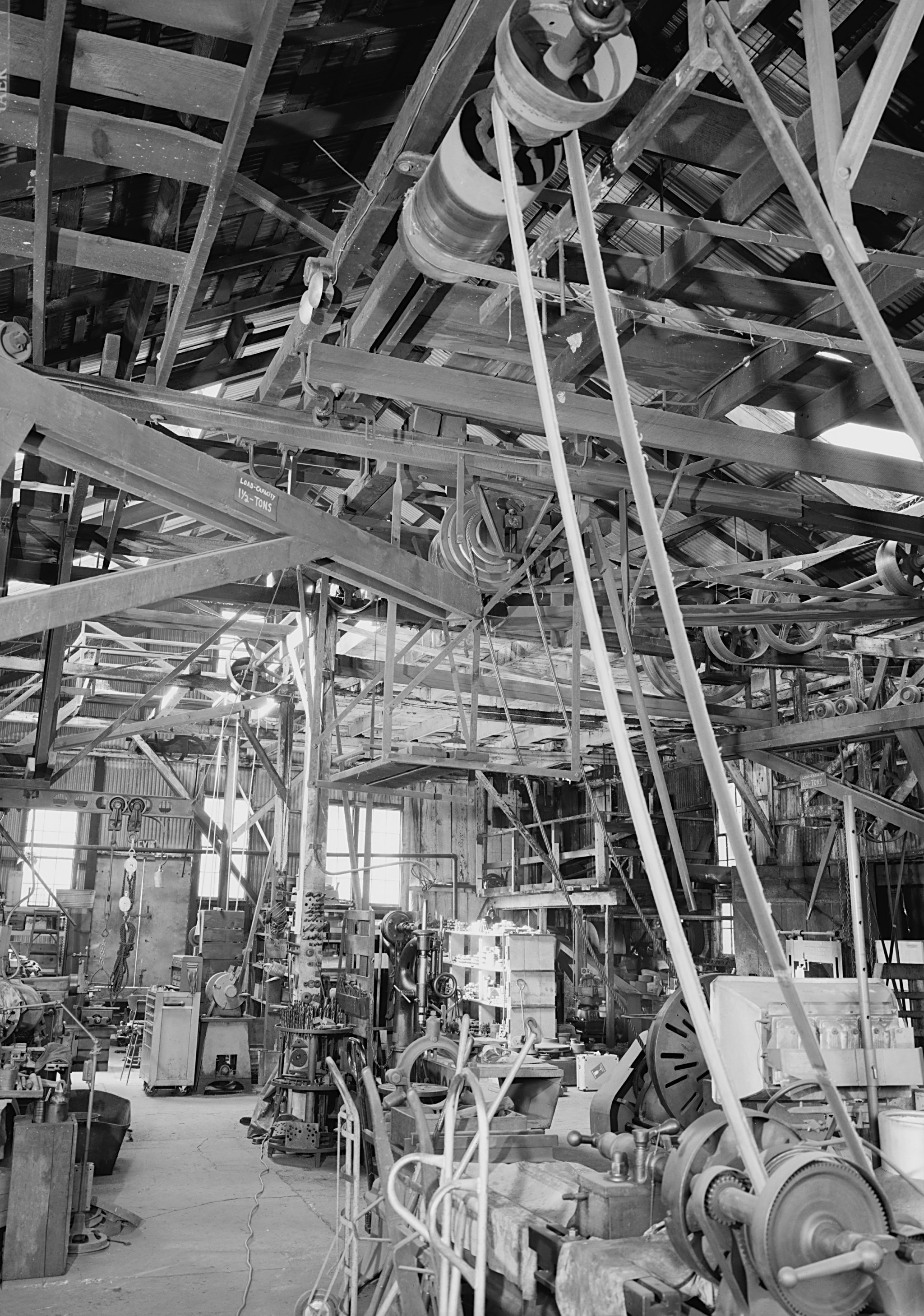
Belt-driven factory floor, circa 1900: one steam engine powers every machine through a maze of belts and pulleys. Replace the engine with an electric motor and nothing changes — same layout, same constraints, same bottlenecks.
Photo: Jet Lowe / HAER, Library of Congress (public domain)
The Electricity Timeline
Edison invents the lightbulb
Electric motors become available. You'd think factories would immediately become more productive.
[source]<5% electric power
Factories simply replaced the steam engine with an electric motor. Same building, same belts, same layout.
[source]50% electric power
Still marginal productivity gains. Manufacturing TFP growth: less than 1%/year.
[source]The breakthrough
Engineers redesigned factories from scratch. Each machine got its own motor. Single-floor layouts. Arranged by flow, not by power source.
[source]“Managers at first simply overlaid one technical system upon a preexisting stratum.”
Satya Nadella calls AI a “compressed Industrial Revolution” - what took 200 years with electricity could take 20–25 years with AI.(Dwarkesh Podcast, Nov 2025)
From Workshop to Agent System
The pattern repeats with every general-purpose technology: individual skill gets encoded into process, then process gets automated at scale.
Are AI and Humans More Alike Than We Think?
Understanding how LLMs work starts with a surprising insight: many AI limitations mirror human cognition. This isn't a coincidence - it's a useful mental model for building better workflows. (Phase 1 goes deeper.)
Tap a row to see the parallel explained
The Adoption Gap
“88% of companies have adopted AI. Only 6% are transforming their business with it.”
Using AI
Real impact
More likely to redesign workflows
Years electricity took
Process is king. The 6% who see real impact aren't the ones with the best AI tools - they're the ones who redesigned their workflows around AI. The tool is the motor. The process is the factory.
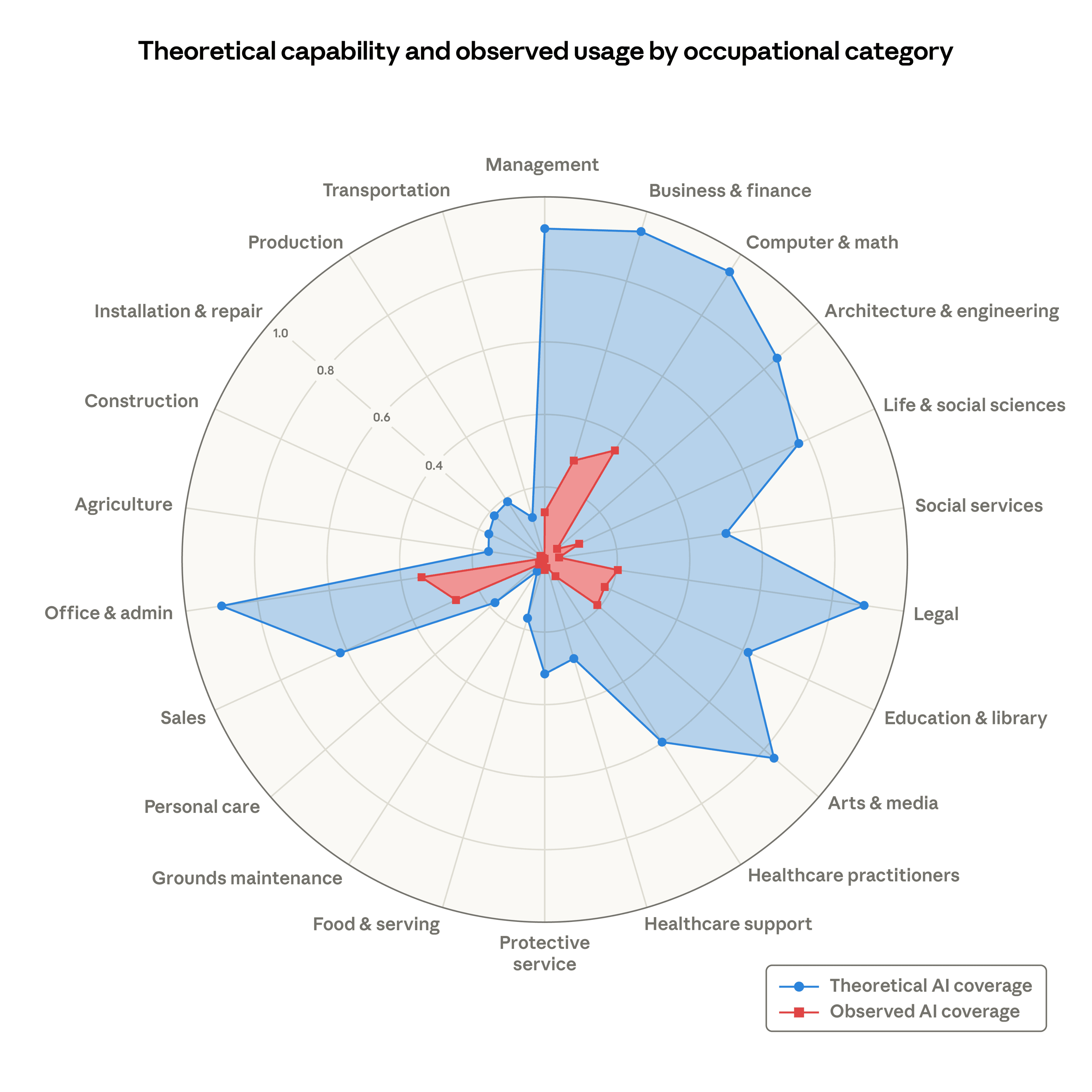
Source: Anthropic – Labor market impacts of AI
AI Is Like the Early Internet
In 1998, everyone was struggling to find “something” to do with it. Pet food websites. Digital brochures. Glorified phone books.
Google was founded in a garage. Amazon sold books.
The next Google or Amazon of AI probably hasn't stood up yet.
When Production Gets Cheaper...
“If software becomes 10x cheaper to build, do you think companies will build less of it?”
The Industrial Revolution didn't mean fewer goods - it meant MORE. Software, images, content, code - costs are dropping fast. We won't make less. We'll make far more.
Three Versions of the Same Factory
Tonight, I'm going to take you through three versions of the same factory. By the end, you'll know exactly where you are - and where to go next.
It Goes Faster
ChatGPT, smarter emails, better drafts
“We bolted an electric motor onto the steam-era belt drive.”
Phase 2Retrofitting
AI becomes a workflow component, not just a tool
“We ripped out the belts and installed new production lines.”
Phase 3The New Factory
Agentic workflows: systems built for automation from day one
“We redesigned the factory from the ground up.”